What are standalone newsletters and what are their benefits?
 Lea·
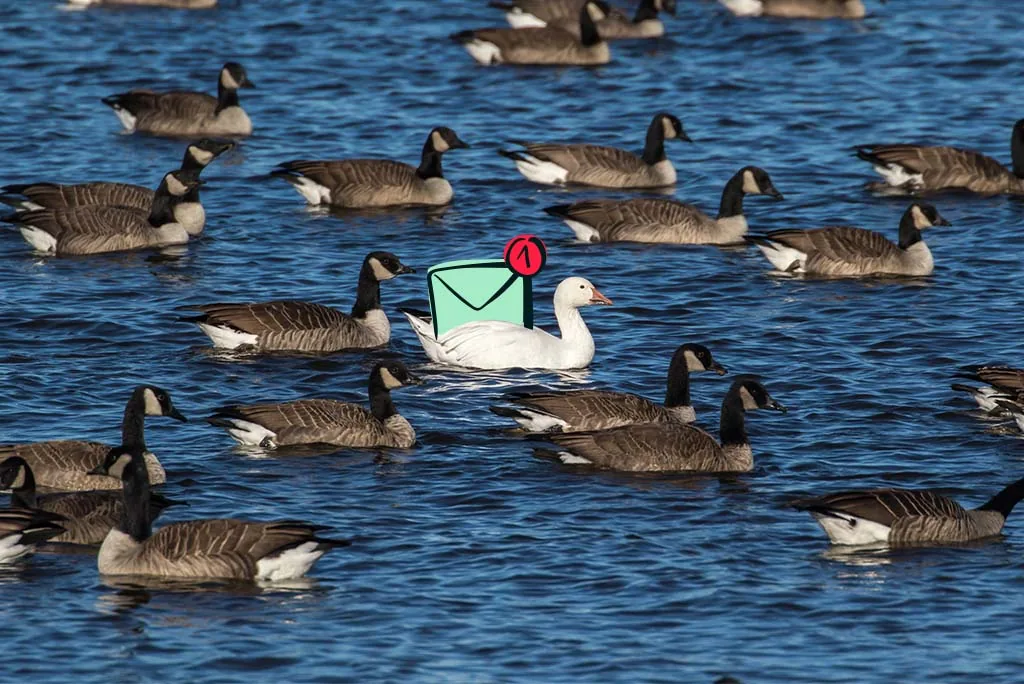
Newsletters are among the most efficient marketing measures and offer a great opportunity to keep prospective customers up to date at regular intervals. Sending newsletters allows you to build a trusted relationship with your customers or strengthen it even further. Sometimes, however, you have a very special piece of information that does not fit your usual newsletter topics. When this happens, a standalone newsletter can be useful.
1. Standalone newsletters: what exactly are they?
Standalone, also written “stand alone” or “stand-alone”, means independent. It suggests something distinctive, something that stands apart from the rest, in short, something special. But what does “standalone” mean in connection with newsletter sending?
The standalone newsletter can be seen as the “little brother” of the conventional newsletter. Its purpose is to convey a specific message to recipients. It is therefore sent just once, or several times as part of a campaign, and usually for a specific occasion, such as sending seasonal New Year’s greetings to existing customers. A standalone newsletter is therefore a one-off, campaign-related advertising message.
👀 Did you know?
In a campaign, the thematic focus always remains the same. One example would be a discount promotion that runs for a certain period. During this time, you can send readers several campaigns to keep the promotion fresh in their minds. The only thing to remember is that both the subject and the newsletter design must remain consistent so that the campaigns clearly belong to the same campaign.
Exclusivity rather than continuity
The main feature of a standalone newsletter is its exclusivity: this makes it different from other newsletters and helps it stand out from the crowd.
Conventional newsletters are generally consistent in both their structure and their topics. They are often sent according to a set schedule too. The main purpose of conventional newsletters is to keep subscribers up to date, which is why they follow this kind of regular pattern.
A standalone campaign is more of a departure from the norm. With exclusive content and time-limited campaigns, you can quickly win over recipients. For example, you could announce your new white paper or send a personal invitation to an event.
What is the purpose of standalone newsletters?
Standalone campaigns can serve various purposes:
- Generate new leads: use a one-off advertising message, such as an announcement of a limited-time discount, to attract the attention of potential new customers. This can capture the interest of people who were not previously aware of your company or product.
💡 Example:
You work at a young start-up, so awareness of your company is still limited. You have written an ebook about artificial intelligence and made it available on your website for a small fee. Despite its engaging content, it has not been downloaded very often so far. What can you do to reach more people with an interest in this field? One possible scenario is to connect with people through social media and advertise a special discount for new customers: buyers receive a full 30% off the purchase price when they provide their email address while downloading the ebook. Tempting, isn’t it?
- Convey an exclusive message: for example, you could draw attention to new product features or send greetings for a particular occasion. The key is that the campaign differs from your regular newsletters in both its appearance and its content. You can certainly send the newsletter to existing subscribers for this purpose, but rather than sending it to the entire recipient group, you segment the audience. This ensures that the campaign reaches only those people for whom the content is relevant.
💡 Example:
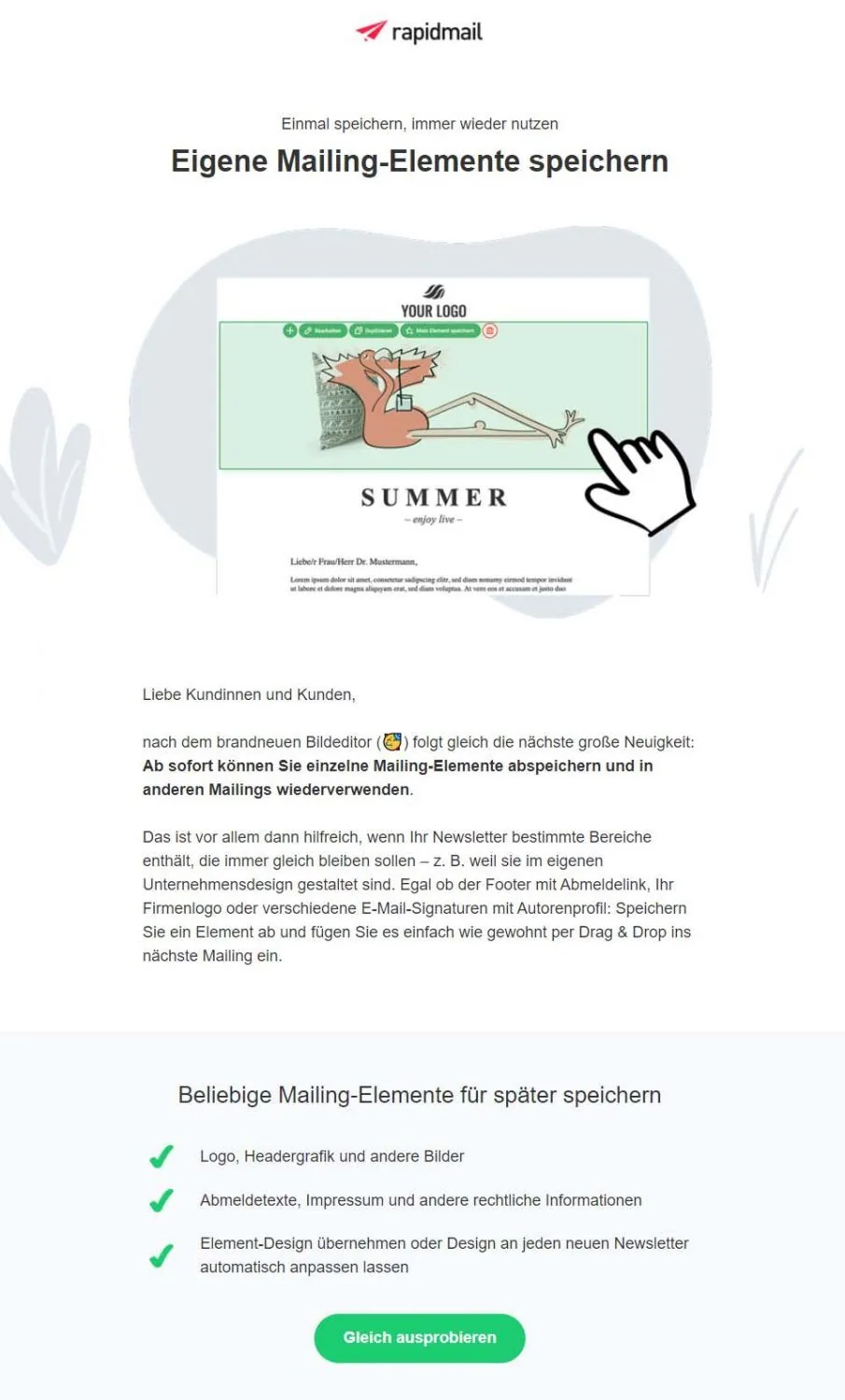
rapidmail has a new feature that lets users save their own email elements and reuse them in upcoming newsletters. Naturally, customers should hear about it as quickly as possible. So, we write a standalone newsletter that briefly lists the most important information about the feature and explains how it works. Since this information is not relevant to newsletter subscribers who do not use our tool, we segment the recipient group. Instead of telling every reader about the new product feature, we send this campaign only to existing customers who already use our tool regularly.
The rapidmail newsletter
Tips, ideas and news about email marketing, straight to your inbox.
2. Recipient list: who should receive standalone newsletters?
Before we explore the topic in greater depth, we would like to give you a quick note about sending standalone newsletters. You may already have heard that buying email addresses for newsletter sending is illegal. On other websites, when searching for “standalone”, you may have come across information about renting email addresses so that you can expand your recipient list and therefore your reach.
We want to distance ourselves from this practice and advise you against it. Legally, you are walking a very fine line between “only just permitted” and “already prohibited”. If your sole aim is to increase your reach, take a look at our original ideas for winning more newsletter subscribers. The best part is that these approaches are guaranteed to be 100% compliant with data protection requirements.
Now, back to the topic…
Because standalone campaigns tend to address specific topics, senders generally avoid sending them to their entire mailing list.
Instead, when sending, focus on…
- …sending the campaign to a specific interest group: you can identify this group in advance using segmentation. Divide recipients into groups so that newsletters covering more specialized topics reach only the groups interested in the content.
- …sending the campaign to potential new customers: as mentioned in the example above, you can advertise a discount promotion for new customers that becomes valid once prospective customers provide their email addresses. Another idea is to run a contest on social media, where one of the entry requirements is to provide an email address that must subsequently be verified. This means participants consent to receiving emails and gives you a great opportunity to “collect” new email addresses.
3. Reasons for sending standalone newsletters
Standalone newsletters can be sent for a wide range of reasons. Their defining feature is the exclusive occasion for which they are sent, and they are always time-limited. They are either sent once or, in the case of campaigns, over a short period. It is important, however, that the exclusive topic covered by the standalone newsletter also comes to an end when the campaign ends.
To give you a clearer picture, we have gathered several occasions for which a standalone newsletter is particularly suitable:
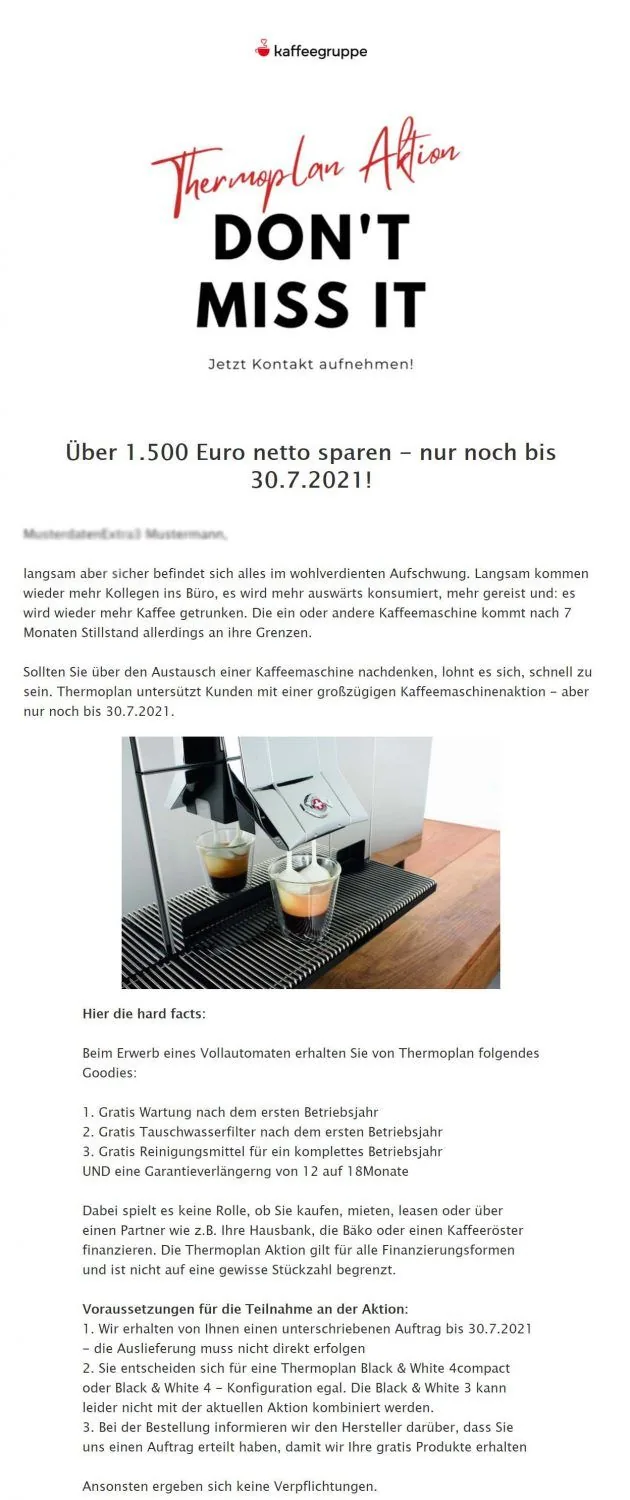
- Announce a special offer: announcing a limited-time discount is probably the most common reason for sending a standalone newsletter. You draw attention to an offer with an expiry date and prompt readers to act quickly, perfectly meeting the criteria for a standalone campaign.
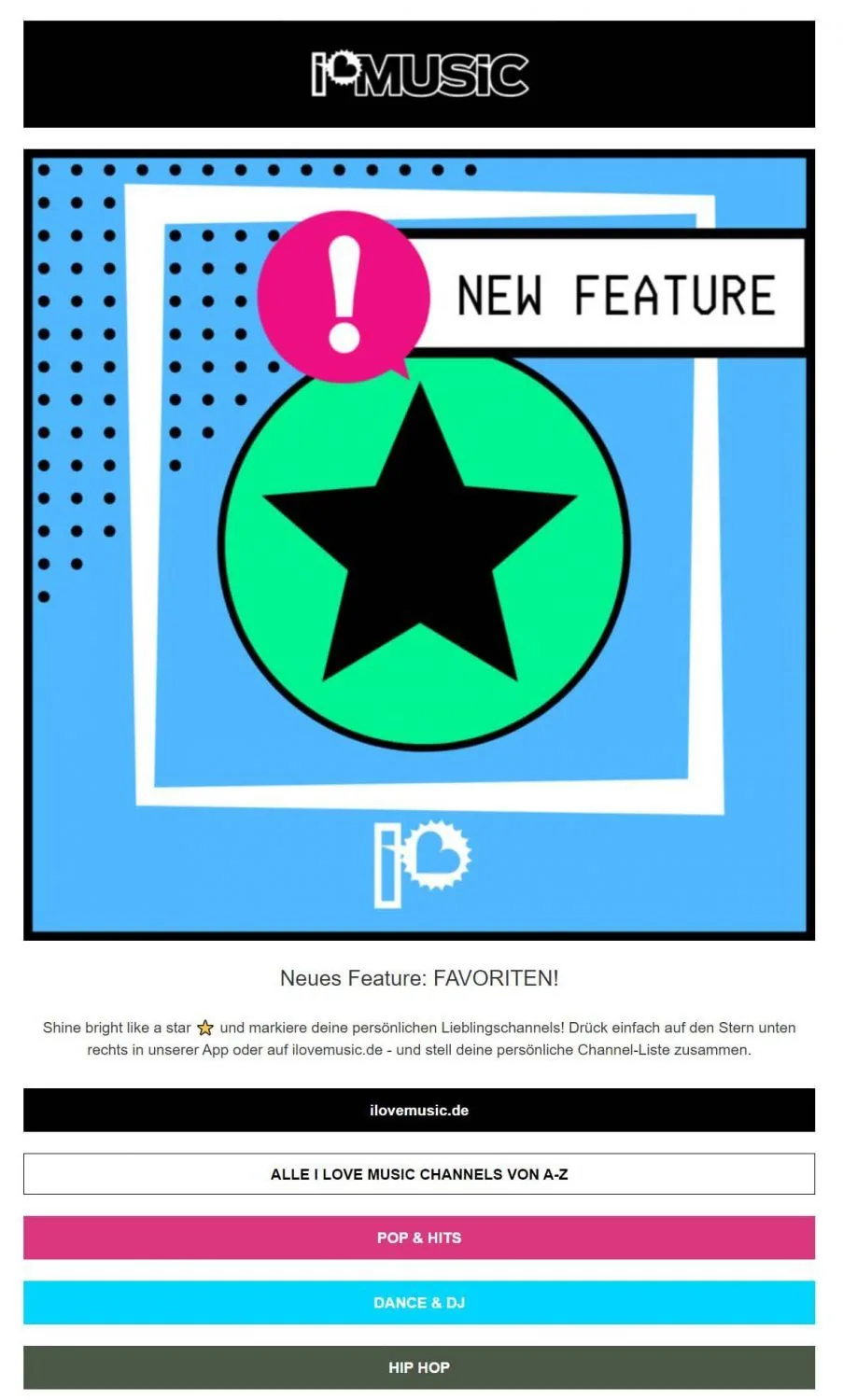
- Announce a new product: a product or product feature is new at one particular point in time. A standalone campaign is therefore ideal for informing recipients that something new is available.
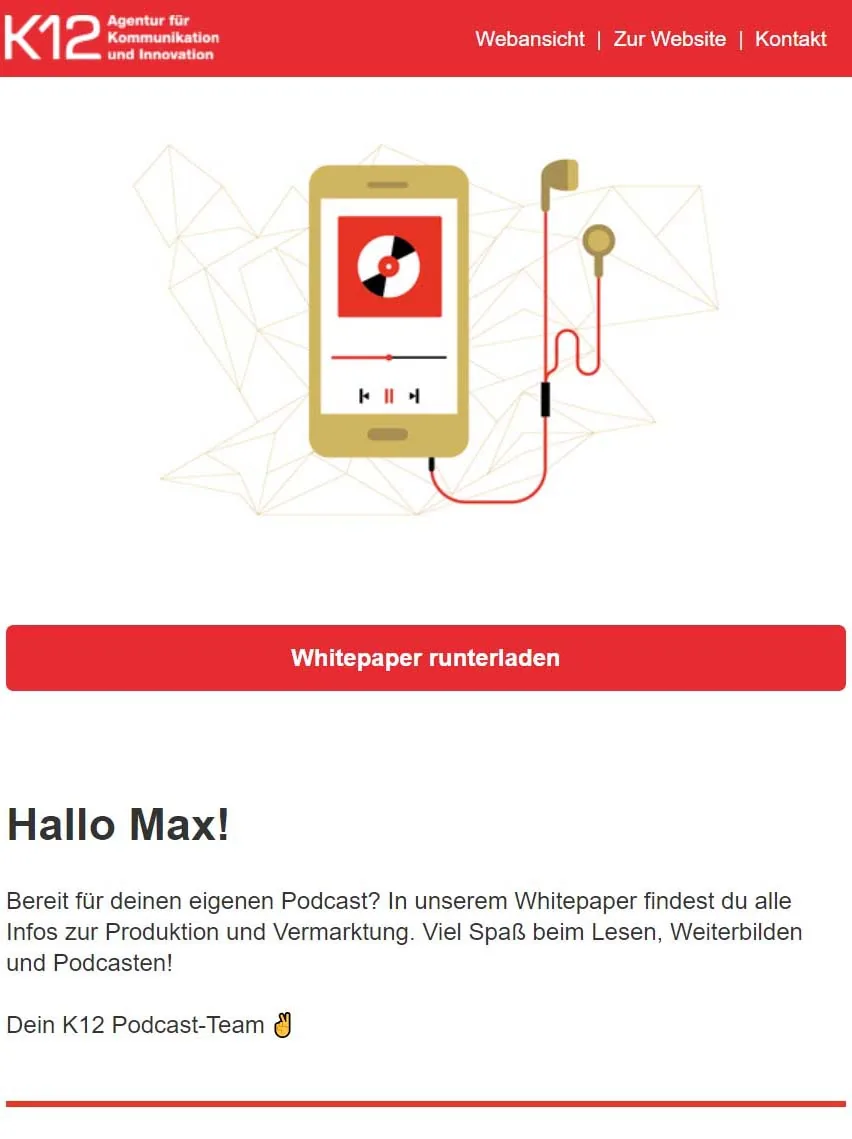
- Invitation to a webinar or live event: an event, whether online or offline, takes place on a specific date and is therefore time-limited. A standalone campaign is also ideal here: send an invitation and, if necessary, follow up with a reminder. Once the event is over, you can resume your regular newsletter schedule.
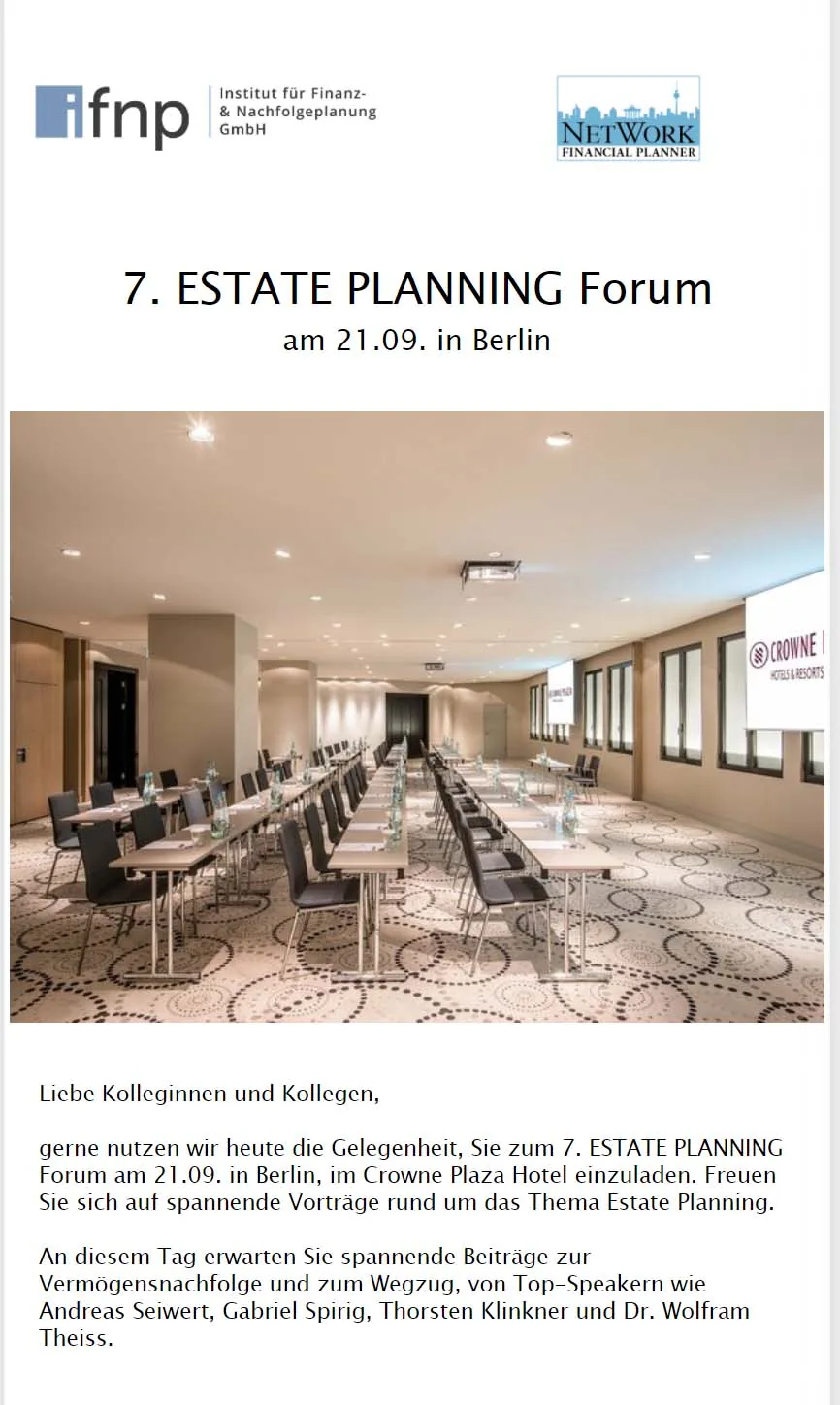
- Seasonal greetings for different occasions: seasonal greetings are generally one-off messages, at least within a given year. An email greeting for New Year’s Eve or Easter is therefore also considered a standalone campaign.
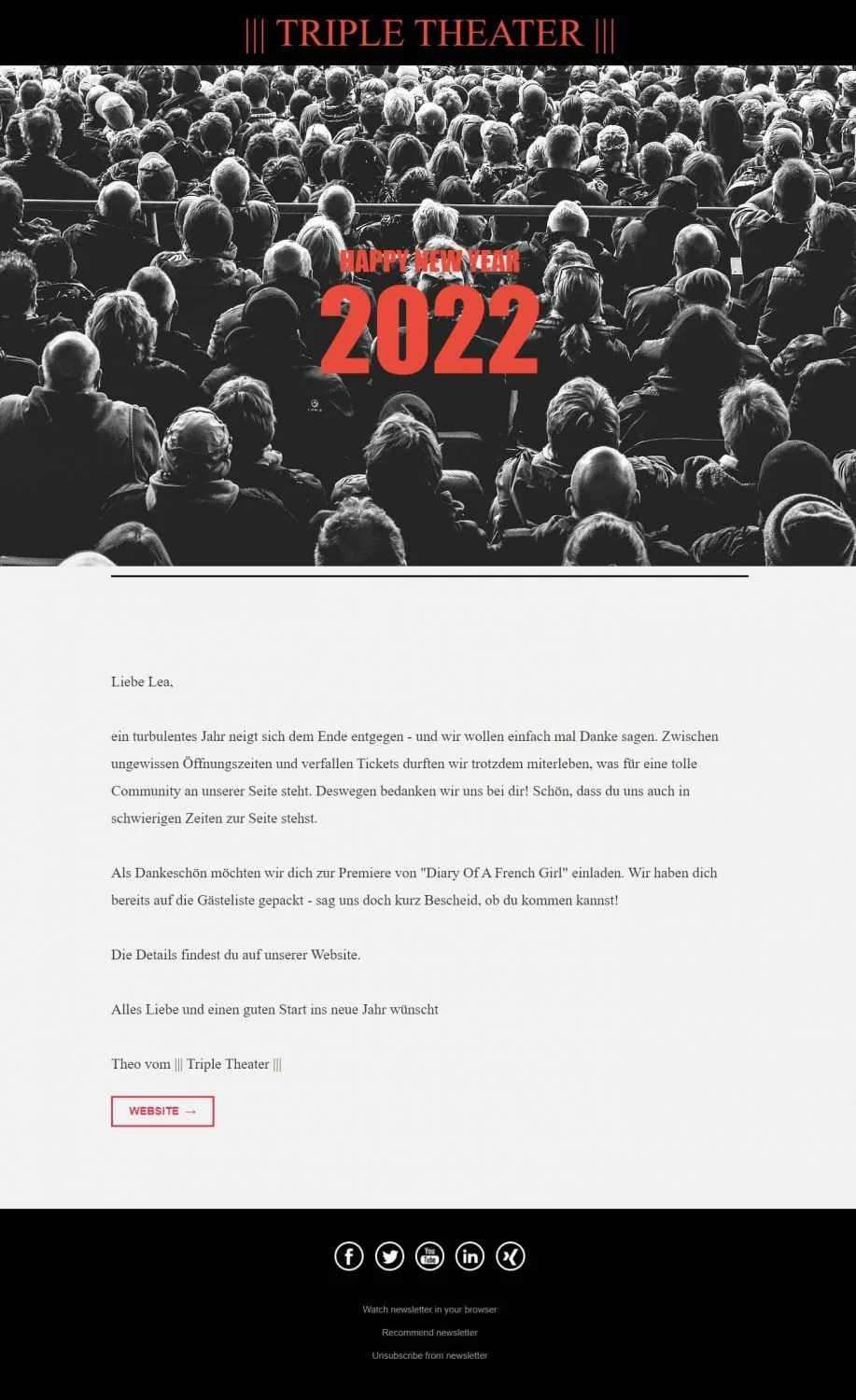
- Promote a white paper: if you publish a white paper, you can announce it with a standalone newsletter. This quickly attracts attention to your white paper and helps it reach many readers promptly.
How can I make my standalone campaigns a complete success?
To help your standalone newsletter achieve your desired objectives, it should be focused and trigger emotions in recipients. Ideally, this means the message immediately connects with them and wins them over.
- Focus: avoid packing too many topics into a standalone campaign. Focus on one topic and stick to it. After all, the point is to deliver a specific message to recipients. If you put too many objectives into a single newsletter, none of them will be achieved effectively, including the objective that prompted you to send the standalone campaign in the first place.
- Emotions: to connect with recipients as effectively as possible, your message should appeal to subscribers’ emotions. Design your newsletter so that the text is not necessarily the main focus. Instead, use striking images and eye-catching calls to action. Do not be cryptic; express yourself clearly so customers immediately know what they can do next.
4. Comparison: standalone newsletters vs. conventional newsletters
As we have seen, there are several fundamental respects in which a standalone campaign differs from a conventional newsletter. The following overview compares the key points:
| Feature | Standalone newsletter | Conventional newsletter |
|---|---|---|
| Design | The design is striking and appropriate for its purpose. Branding should be used because of the promotional content. | The design remains consistent to convey a sense of regularity. |
| Focus | The aim is to advertise. The newsletter also creates exclusivity because it is usually time-limited. | The focus is on providing content and tips, sharing news and giving updates. In short, it conveys relevant information. |
| Frequency | It is sent once (the exception is an entire exclusive campaign consisting of several campaigns). | It is sent regularly and at consistent intervals. |
| Target audience | Either potential new customers are addressed, or the campaign is sent to a selected recipient group from your own mailing list. | The newsletter is sent to existing newsletter subscribers. The recipient list is updated regularly, and inactive recipients are removed after a certain period. |
| Objective | Standalone newsletters can be used to win new customers or draw attention to promotions and events. They are used to make contact for one-off occasions. | Conventional newsletters are intended to maintain or strengthen customer loyalty over the long term. |
5. Legal safeguards: is it legal to send standalone newsletters?
To answer the most important question first: yes, sending standalone newsletters is legal. Data protection is taken very seriously in Germany. It is therefore only natural that there are also several legal aspects to consider when sending standalone emails.
To ensure your email marketing is GDPR-compliant, the double opt-in process also applies here. This means that campaign recipients give their permission to receive the newsletter through a two-step sign-up process.
Depending on the recipient list, this involves different considerations for standalone newsletters:
- If you use your own recipient list, you should already have recipients’ permission. Otherwise, you would not be permitted to send them conventional newsletters either.
- If you intend to bring new prospective customers on board, you must ensure that the new subscribers have completed the two-step sign-up process and given their explicit consent to receive your newsletters.
6. Standalone campaigns: how they work with rapidmail
If you want to create a standalone campaign with rapidmail, the initial approach is the same as for conventional newsletter sending. However, there are a few criteria you can follow to make the campaign stand out.
We have put together a handful of tips for you:
- A clear reason for the newsletter: as soon as readers open the email, the reason for your exclusive newsletter and why they have received it should be obvious. You want to avoid leaving customers confused.
- A special occasion calls for a special design: depending on the reason for the campaign, you should use a thematically appropriate template for your standalone newsletter. It should also be immediately clear who sent the newsletter. Special promotions or event invitations can have an immediate impact only if you are recognized as the sender.
👀 Did you know?
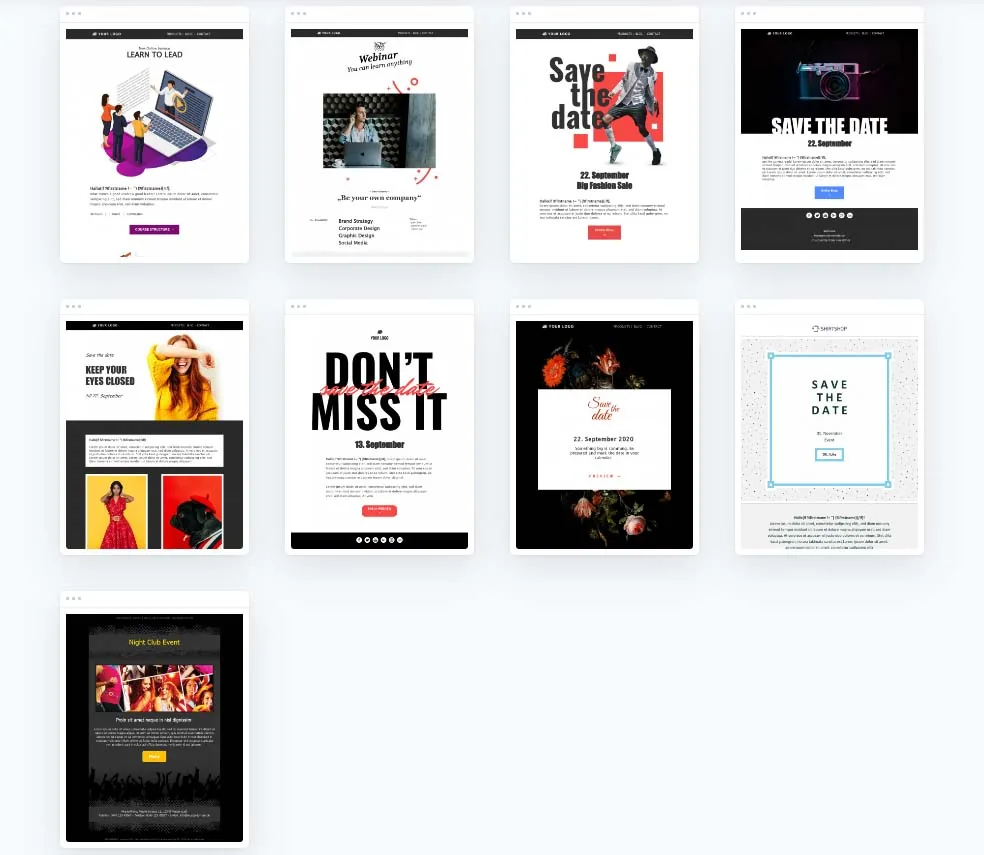
rapidmail provides numerous free templates for different events. Whether you are sending an invitation to an event or Christmas greetings, you are certain to find what you need in our diverse selection of designs. Prefer to do your own thing? Use 1-click design to create professional newsletter templates in your own corporate design in no time, sure to impress your contacts.
- Keep newsletter copy short and concise: the newsletter should be compelling at first glance, and readers should not be confronted with a wall of text. Concentrate on the essential information and avoid unnecessary stock phrases.
- Include appealing images: instead, use appealing, persuasive images that reinforce the campaign’s content and purpose. These give readers a quick visual impression that, unlike a block of text, they can process and understand effortlessly.
- Meaningful call-to-action buttons: guide your readers’ emotions with the targeted use of call-to-action buttons. Place these at suitable points in the campaign so that subscribers can respond to the prompts intuitively.
Follow these tips to give your readers an excellent experience. Recipients of standalone emails often respond positively to your newsletter’s message only when the newsletter stands out from the crowd in terms of both appearance and content.
In addition to these points, we naturally always advise you to use our checklist for successful newsletter sending. That way, nothing can go wrong.
Already have your first ideas for a standalone campaign? Simply give it a try.